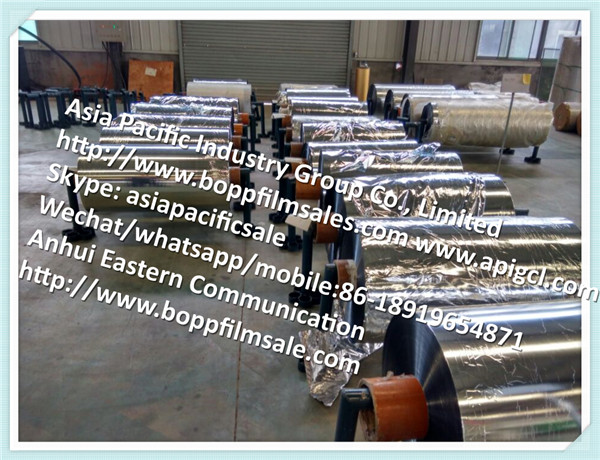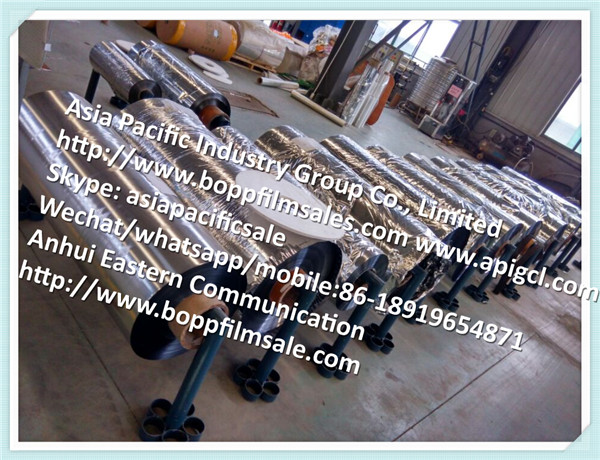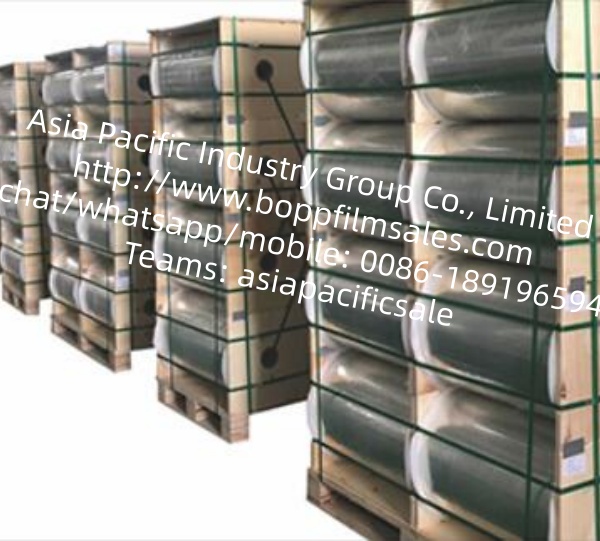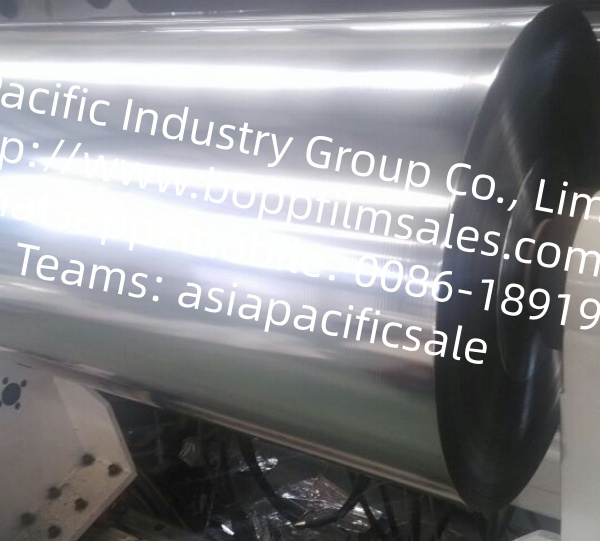





 Product gallery · 1
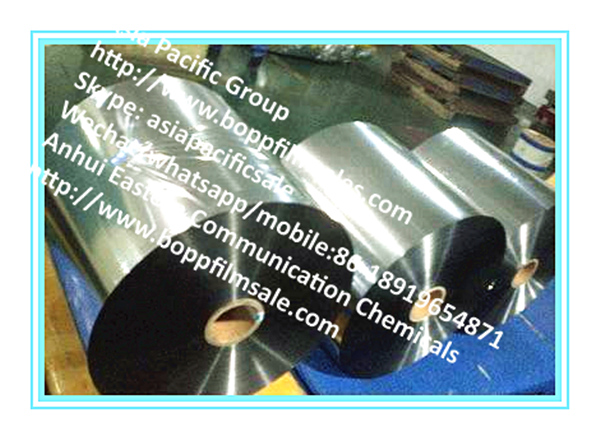
6 Microns Metallized BOPET Film
6 Microns Metallized BOPET Film
- 产品编码:
- —
- 批发价格:
- $—
- 产品系列:
- BOPET薄膜(聚酯薄膜)
6 Microns Metallized BOPET Film
6 microns (often written as 6um) represents one of the thinnest commercially available gauges for Biaxially-oriented Polyethylene Terephthalate (BOPET) film. When this ultra-thin substrate is "metallized"—usually with a microscopic layer of high-purity aluminum—it becomes a high-performance material used primarily in specialized industrial and packaging applications.
Key Technical Specifications
Property | Typical Value / Description |
Thickness | 6um (0.006mm/24 gauge) |
Material | Polyester (PET) resin stretched in two directions |
Metallization | Vacuum-deposited Aluminum (VMPET) |
Optical Density | Typically 2.0 to 2.8 (Adjustable based on barrier needs) |
Surface Tension | >40 dynes/cm (Standard for printing/lamination) |
Core Advantages
- Superior Yield: Because it is so thin, 6-micron film provides a much higher "square-meter-per-kilogram" yield compared to standard 10 or 12-micron films, making it highly cost-effective for high-volume runs.
- High Barrier Properties: The aluminum layer acts as a shield against oxygen, moisture, and light, significantly extending the shelf life of sensitive products.
- Thermal Stability: BOPET maintains its dimensions and strength even at high temperatures, which is critical during the high-speed lamination or printing process.
- Flexibility: The ultra-thin nature allows it to conform to complex shapes better than thicker foils or films.
Primary Applications
1. Flexible Packaging (Lamination)
This film is rarely used alone; it is typically the middle layer in a multi-layer laminate.
- Example Structure: PET (Outer)/6um VMPET (Barrier)/PE (Sealant).
- Used for snacks, powdered milk, and coffee packaging where a high moisture barrier is non-negotiable.
2. Yarn & Textiles (Metallic Thread)
6-micron film is a preferred choice for producing Lurex or metallic yarns. The film is slit into incredibly narrow ribbons and twisted with fibers like cotton or polyester to create glittery, decorative textiles.
3. Insulation & Thermal Control
Used in the manufacturing of "space blankets," radiant barriers for construction, and cryogenic insulation. It reflects up to 97% of radiant heat.
Handling Challenges
Due to its extreme thinness, 6-micron film requires precise tension control on machinery. It is more prone to:
- Web Breaks: High-speed converting requires sophisticated equipment to prevent snapping the film.
- Wrinkling: Small misalignments in rollers can cause permanent increases in the thin material.
- Static Charge: Thin polyester is highly prone to static buildup, often requiring active de-ionizing bars during processing.